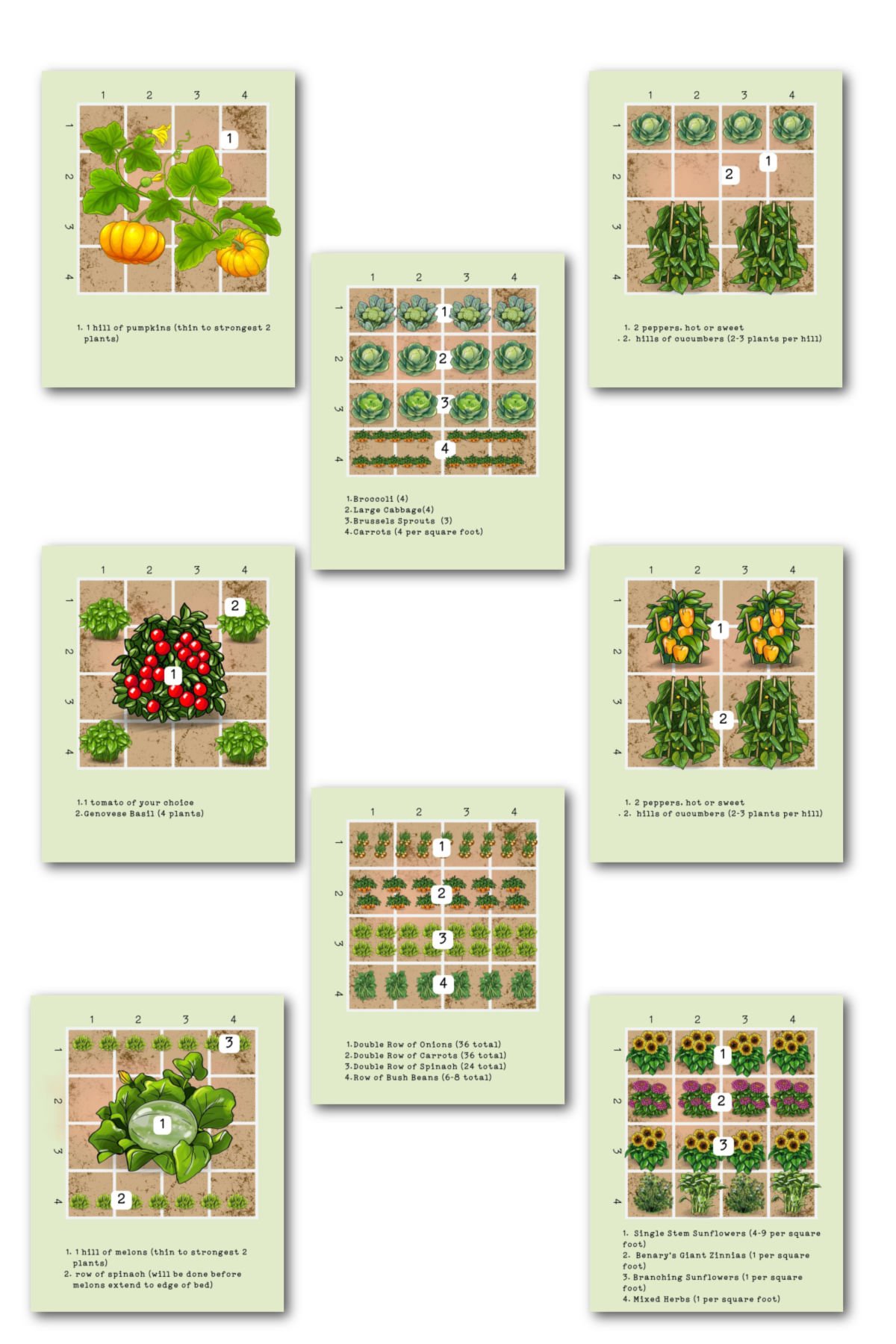
Maximize Your Harvest: Grow Big in a Small 4x4 Garden Plot
Dreaming of fresh, homegrown produce but convinced you lack the space? Think again! A
4x4 garden plan is a revolutionary approach to cultivating a bountiful harvest, even in the most compact urban settings or modest backyards. This highly efficient, space-saving method proves that you don't need acres to grow an impressive amount of food. Whether you're a complete novice or a seasoned green thumb looking to optimize your limited real estate, this guide will unlock the secrets to transforming a small 4x4 plot into a powerhouse of productivity.
This isn't just about fitting a few plants; it's about strategic design, intelligent plant choices, and consistent care that can lead to surprisingly high yields. Forget the overwhelming scale of traditional row gardening. We're here to show you how a precisely planned 4x4 garden can become your personal fresh food factory, delivering delicious vegetables and herbs all season long.
Why a 4x4 Garden Plan is Your Small-Space Superpower
The rise of compact gardening solutions like the 4x4 garden bed isn't just a trend; it's a testament to its undeniable benefits. For those living in apartments with balconies, houses with small yards, or simply wanting to dip their toes into gardening without a huge commitment, a well-executed 4x4 garden plan offers an unparalleled advantage.
*
Exceptional Space-Saving: The most obvious benefit, a 4x4 raised bed, takes up just 16 square feet. This diminutive footprint means it can fit almost anywhere – a sunny corner of a patio, a small backyard, or even a robust balcony. It’s ideal for urban gardeners who previously thought fresh produce was out of reach.
*
Low Maintenance, High Reward: Raised beds significantly reduce common gardening chores. You'll experience less weeding because the contained soil structure discourages weed seeds from blowing in, and the soil typically has fewer existing weed seeds. There's also no tilling required. Plus, the compact size means all your plants are within easy reach, minimizing bending and stretching during watering, weeding, and harvesting.
*
Surprisingly High Yield Potential: This is where the magic of a 4x4 garden plan truly shines. By adopting intensive planting techniques, such as square foot gardening, you can cultivate far more produce per square foot than in traditional row gardens. Imagine growing a diverse array of vegetables, from leafy greens and root crops to climbing beans and determinate tomatoes, all within arm's reach. As some ambitious gardeners have shown, aiming for 100 pounds of food from a 4x4 plot is an inspiring, achievable goal with the right strategy.
*
Improved Soil Control: Unlike in-ground gardens, raised beds allow you to fill them with custom, high-quality soil mixes. This means optimal drainage, perfect nutrient balance, and fewer soil-borne pests or diseases, providing an ideal growing environment for your chosen plants.
*
Accessibility for Everyone: The contained structure and elevated height of a 4x4 garden make it accessible for gardeners of all ages and physical abilities. Children can easily participate, and those with mobility challenges can enjoy gardening without excessive strain.
Laying the Groundwork: Essential Steps for Your 4x4 Garden Plan
Success in a small space hinges on smart preparation. Before you even think about seeds, dedicating time to planning your 4x4 garden plan is paramount.
Choosing the Perfect Location
Sunlight is the lifeblood of most vegetables. Your 4x4 garden bed needs at least 6-8 hours of direct sunlight daily. Observe your chosen spot throughout the day to ensure it gets adequate sun exposure. Beyond light, consider:
* **Water Access:** Position your bed close to a water source to make daily watering convenient.
* **Drainage:** Ensure the area drains well. If placing on concrete, make sure your raised bed has good bottom drainage.
* **Accessibility:** Leave enough space around the bed for easy access from all sides for planting, tending, and harvesting.
Building Your Bed
While you can purchase ready-made kits, constructing your own 4x4 raised bed offers flexibility. Untreated lumber (like cedar or redwood for longevity), stone, or composite materials are excellent choices. Ensure the walls are sturdy and at least 10-12 inches deep to allow for adequate root development. For a deeper dive into setting up your bed, explore resources like
Start Your Thriving 4x4 Garden: Easy Steps for Compact Spaces.
The Foundation of Success: Soil
The soil in your 4x4 garden plan is its heart. Do NOT simply fill it with topsoil from your yard. Raised beds require a special mix for optimal drainage and nutrient retention. A popular and effective blend is often referred to as "Mel's Mix" (from Square Foot Gardening): one-third compost, one-third vermiculite, and one-third peat moss (or a sustainable alternative like coco coir). This light, airy, and nutrient-rich mixture will provide an ideal environment for plant roots to thrive, maximizing growth in a confined space.
Strategic Planting: Maximizing Yield in Your 4x4 Garden Plan
Once your bed is built and filled, the real fun begins: planting! This is where the "grow big" promise of a 4x4 garden plan truly comes to life through intelligent design and plant selection.
Embracing Square Foot Gardening
The most effective method for maximizing yield in a 4x4 garden is Square Foot Gardening (SFG). Divide your 4x4 bed into sixteen 1-foot x 1-foot squares using string or thin wood strips. Each square then becomes its own mini-plot, where you plant a specific number of seeds or seedlings based on their mature size.
* **Large plants (1 per square):** Tomatoes (determinate/bush varieties), peppers, eggplant, broccoli, cabbage.
* **Medium plants (4 per square):** Lettuce, Swiss chard, bush beans, marigolds.
* **Smaller plants (9 per square):** Spinach, beets.
* **Tiny plants (16 per square):** Carrots, radishes, onions.
This grid approach allows for incredibly dense planting, ensuring every inch of your 4x4 garden plan is productive.
Smart Plant Selection: Focus on High-Yield & Compact Varieties
Not all vegetables are created equal when it comes to small spaces. For your 4x4 garden plan, prioritize plants that are compact, determinate (for tomatoes), or have a high yield-to-space ratio.
* **Leafy Greens:** Lettuce, spinach, kale, and Swiss chard are perfect for continuous harvesting. Plant a few squares and enjoy fresh salads for weeks.
* **Bush Varieties:** Opt for bush beans, bush cucumbers, and dwarf peas over their sprawling pole or vining counterparts, unless you plan to trellis extensively.
* **Root Vegetables:** Carrots, radishes, and beets are excellent choices, growing beneath the soil and not taking up much surface space.
* **Herbs:** Basil, cilantro, parsley, and chives thrive in small plots and provide essential culinary additions.
* **Compact Fruiting Plants:** Look for "patio" or "bush" varieties of tomatoes, peppers, and eggplants. Strawberries are also a fantastic option for a square or two.
**Avoid** notoriously sprawling plants like pumpkins, watermelons, or most vining squash unless you have robust vertical support and plan for them to grow outside the bed. For more detailed insights into plant selection for high yields, check out
x4 Garden Plans: Your Beginner's Guide to High-Yield Small-Space Gardening.
Vertical Gardening: Your Secret Weapon
In a 4x4 garden plan, vertical space is as valuable as horizontal space. Incorporate trellises, cages, stakes, or obelisks to grow upwards.
* **Climbing Crops:** Pole beans, vining peas, small cucumbers, and indeterminate tomatoes can be trained to climb, freeing up valuable ground space for other plants.
* **Containers on the Perimeter:** Don't limit yourself to the 4x4 footprint. Place sub-irrigated containers around the exterior of your raised bed to grow additional herbs, greens, or even more compact vegetables. This effectively expands your growing area without needing more ground space.
Succession Planting & Companion Planting
* **Succession Planting:** As soon as one crop is harvested, replant that square with another. This ensures continuous production throughout the growing season. For example, after harvesting a spring lettuce crop, plant bush beans or carrots.
* **Companion Planting:** Strategically plant compatible species together. Basil and tomatoes are classic companions. Marigolds can deter pests, while nasturtiums might act as a trap crop. This natural synergy helps maximize health and yield in your 4x4 garden plan.
Nurturing Your Compact Oasis: Ongoing Care for Your 4x4 Garden Plan
An intensively planted 4x4 garden bed requires diligent care to sustain its high productivity.
* **Watering Wisely:** Raised beds, especially those with sandy, well-draining soil, tend to dry out faster than in-ground gardens. Consistent moisture is critical. Consider a drip irrigation system or soaker hose for efficient, deep watering. Mulching the soil surface with straw or wood chips will help retain moisture and suppress weeds.
* **Feeding Your Plants:** With so many plants in a small space, nutrients will be depleted more quickly. Supplement your soil regularly with organic fertilizers, compost tea, or worm castings to ensure your plants have the fuel they need for continuous growth and fruiting.
* **Pest and Disease Management:** In a compact garden, pests and diseases can spread rapidly. Inspect your plants daily. Hand-picking visible pests, using organic solutions like neem oil or insecticidal soap, and encouraging beneficial insects are key strategies. Good air circulation through proper pruning can also prevent fungal diseases.
* **Harvesting Regularly:** Regular harvesting encourages plants to produce more. Don't let vegetables over-ripen on the vine or allow leafy greens to "bolt" (go to seed). Pick often to signal to the plant that it needs to keep producing.
Conclusion
A
4x4 garden plan is far more than just a small patch of dirt; it's a testament to the power of thoughtful design and intensive gardening. It empowers individuals with limited space to cultivate an abundance of fresh, healthy food, fostering a deeper connection to nature and a greater appreciation for homegrown produce. By carefully selecting plants, maximizing vertical space, and committing to consistent care, your compact 4x4 plot can yield a surprising harvest, proving that even in a small footprint, you can indeed grow big. So, gather your tools, plan your layout, and embark on the rewarding journey of creating your very own productive small-space oasis. Happy gardening!