Unlocking the Potential of a 4x4 Garden Plan: Your Gateway to Abundant Harvests
Dreaming of fresh, homegrown vegetables but convinced you lack the space? Think again! The ingenious 4x4 garden plan is revolutionizing urban and small-space gardening, proving that even a modest plot can yield an astonishing amount of produce. Whether you have a tiny backyard, a sunny patio, or even a spacious balcony, a compact 4x4 raised bed offers an accessible, efficient, and incredibly rewarding way to cultivate your own food.
This beginner's guide will walk you through everything you need to know about designing, planting, and maintaining a high-yield 4x4 garden. We'll explore why these compact systems are gaining immense popularity, dive into practical planning strategies, and even provide you with four inspiring garden plans to kickstart your green thumb journey. Get ready to transform your small space into a vibrant, productive oasis!
Why a 4x4 Garden Plan is Your Best Bet for Small-Space Gardening
A 4x4 garden plan refers to a gardening system, typically a raised bed, measuring four feet by four feet. This seemingly simple dimension is a powerhouse of efficiency and convenience, making it a favorite among new and experienced gardeners alike. Its compact nature offers a plethora of benefits that address common challenges faced by small-space dwellers:
- Space-Saving Champion: Perfectly sized for any corner of your yard, a patio, or a balcony, it disproves the myth that you need acres to grow a garden.
- Low Maintenance Marvel: Raised beds require significantly less weeding and tilling compared to traditional in-ground gardens. The confined space makes monitoring and care a breeze.
- Easy Accessibility: A 4x4 bed means every plant is within arm's reach. No more strenuous bending, stretching, or walking through rows, making gardening enjoyable for all ages and physical abilities.
- Surprisingly High Yield: This is where the magic happens! Thanks to intensive planting techniques like Square Foot Gardening, a well-planned 4x4 bed can produce a volume of fresh vegetables and herbs that far exceeds expectations for its size. You'd be amazed at how much food you can grow in a mere 16 square feet.
- Resource Efficiency: Raised beds allow for better soil control and drainage, meaning less wasted water and nutrients. You're feeding your plants, not the surrounding lawn.
The rise of raised bed gardening is a testament to its effectiveness. A recent study by the National Gardening Association highlighted that over a third of all U.S. households now grow their own food, with raised beds being a top choice for their numerous advantages. Embarking on a 4x4 garden plan isn't just about growing food; it's about reclaiming a connection to nature, enjoying healthier eating, and discovering the immense satisfaction of harvesting your own produce.
Designing Your High-Yield 4x4 Garden Plan: Strategic Steps to Success
Success with any garden, especially a high-yield small space, starts with thoughtful planning. A 4x4 garden plan, while compact, still benefits greatly from strategic decisions regarding its location, construction, and planting layout.
Choosing the Perfect Spot for Your 4x4 Garden Bed
Sunlight is the lifeblood of most vegetables. Your primary consideration should be a location that receives at least 6-8 hours of direct sunlight per day. Observe your intended spot throughout the day to ensure it gets adequate sun, especially during the peak growing months. Other factors include:
- Water Source: Proximity to a hose or water spigot will save you a lot of effort.
- Level Ground: While raised beds can accommodate slight slopes, a relatively level surface is ideal for stability and even watering.
- Accessibility: Ensure you can easily access all sides of your bed for planting, watering, weeding, and harvesting.
Building Your Bed & Filling with Gold
You can purchase pre-made 4x4 raised bed kits or build one yourself using untreated wood (like cedar or redwood for longevity), composite materials, or even stone. Whatever your choice, ensure it's sturdy.
The soil you fill it with is paramount. Avoid using dense, unamended garden soil or topsoil. Instead, opt for a high-quality raised bed mix, which is typically a blend of compost, peat moss (or coco coir), and vermiculite. This mix provides excellent drainage, aeration, and nutrient retention, giving your plants the best possible start. For more detailed guidance on setting up your bed, check out our article: Start Your Thriving 4x4 Garden: Easy Steps for Compact Spaces.
Mastering Layout: The Art of Maximizing Space
This is where your 4x4 garden plan truly shines in terms of yield. The most popular and effective method for small-space gardening is Square Foot Gardening (SFG). The idea is to divide your 4x4 bed into 16 individual one-foot squares. Each square is then planted with a specific number of plants based on their mature size, rather than traditional rows. For example:
- One large plant (e.g., a tomato) per square.
- Four medium plants (e.g., lettuce, bush beans) per square.
- Nine small plants (e.g., spinach, beets) per square.
- Sixteen tiny plants (e.g., carrots, radishes) per square.
Beyond SFG, consider these techniques:
- Vertical Gardening: Utilize trellises, stakes, and cages for vining plants like cucumbers, pole beans, small squash, and determinate tomatoes. This draws plants upwards, freeing up valuable ground space.
- Companion Planting: Strategically plant compatible species together to deter pests, attract beneficial insects, and improve growth.
- Succession Planting: As soon as one crop is harvested, plant another. This ensures continuous production throughout the growing season.
For more advanced strategies on getting the most out of every inch, read our in-depth guide: Maximize Your Harvest: Grow Big in a Small 4x4 Garden Plot.
x4 Garden Plans: Inspiring Your First High-Yield Harvests
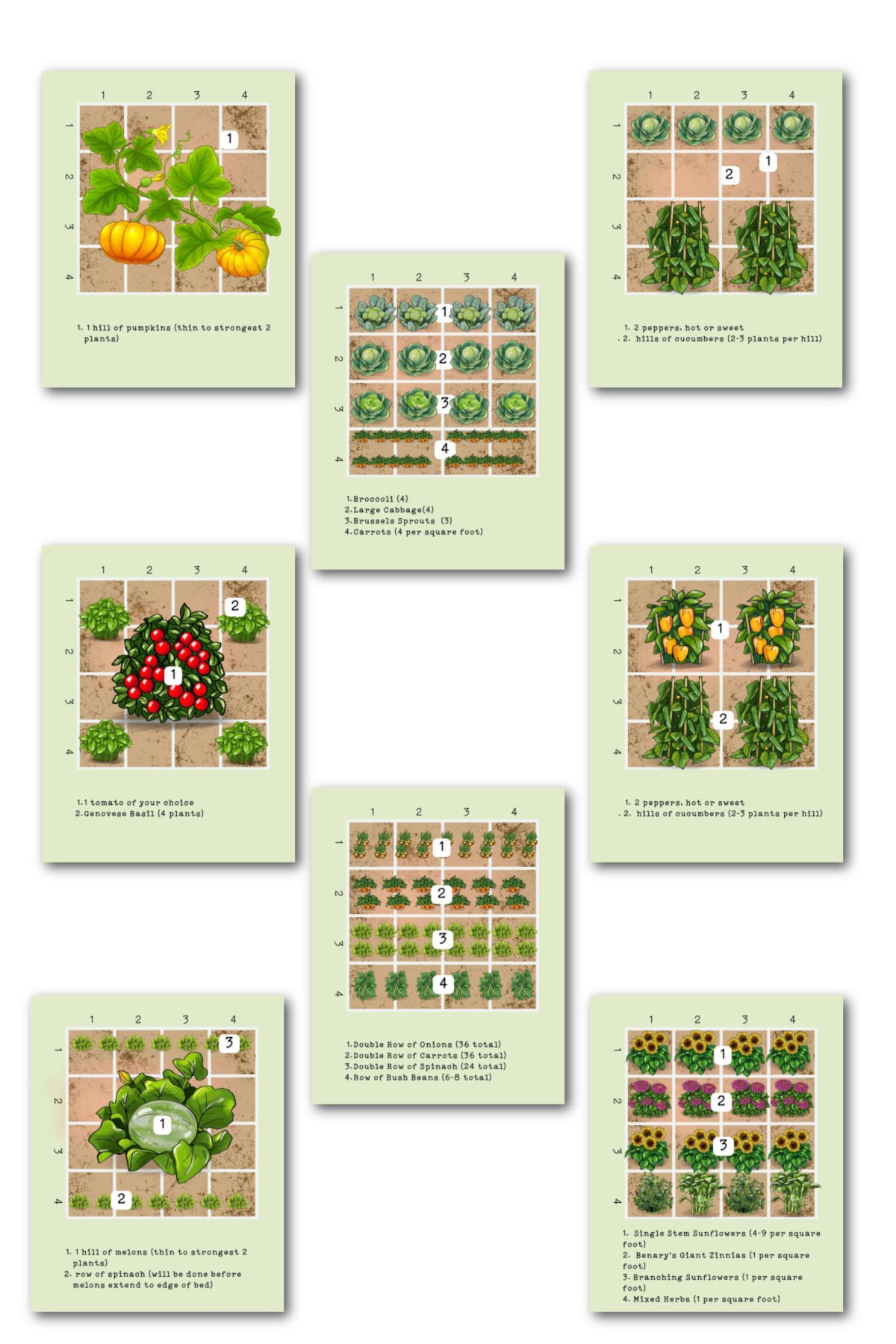
To illustrate the versatility and potential of a 4x4 garden plan, here are four conceptual plans designed for different gardening goals. Remember, these are starting points – feel free to mix and match based on your preferences and climate!
Plan 1: The Fresh Salad & Herb Delight
Perfect for those who love fresh greens and aromatic herbs. This plan focuses on quick-growing, cut-and-come-again varieties.
- Squares: 16
- Key Plants:
- 6 squares: Various loose-leaf lettuces, spinach, arugula (succession plant every 2-3 weeks).
- 2 squares: Radishes (plant 16 per square, succession plant).
- 2 squares: Carrots (plant 16 per square, choose shorter varieties).
- 1 square: Bush basil (4 plants).
- 1 square: Cilantro (9 plants, succession plant).
- 2 squares: Bush beans (4 plants per square).
- 2 squares: Swiss Chard or Kale (1 plant per square, outer edges for height).
- Yield Focus: Continuous supply of fresh greens, zesty radishes, and essential herbs.
Plan 2: The Urban Chef's Companion
Ideal for gardeners who want a mix of popular cooking vegetables and savory herbs.
- Squares: 16
- Key Plants:
- 2 squares: Determinate bush tomatoes (1 plant per square, staked).
- 2 squares: Bell Peppers (1 plant per square).
- 4 squares: Bush Beans (4 plants per square, succession plant).
- 2 squares: Cucumbers (1 plant per square, trellised vertically).
- 2 squares: Zucchini (1 plant per square, choose bush varieties, can also be trellised).
- 1 square: Rosemary (1 plant, perennial).
- 1 square: Thyme (4 plants).
- 2 squares: Onions (9 plants per square).
- Yield Focus: Staples for salads, stir-fries, and summer dishes.
Plan 3: Rooting for Success & Ground Goodness
This plan prioritizes root vegetables and sturdy greens, offering a dense harvest from beneath and just above the soil.
- Squares: 16
- Key Plants:
- 4 squares: Carrots (16 plants per square, various colors).
- 4 squares: Beets (9 plants per square).
- 2 squares: Garlic (9 cloves per square, plant in fall for summer harvest).
- 2 squares: Radishes (16 plants per square, succession plant).
- 2 squares: Spinach/Mizuna (9 plants per square, succession plant).
- 2 squares: Bush Lettuce (4 plants per square).
- Yield Focus: A bountiful supply of nutrient-rich root vegetables and tender greens.
Plan 4: The Vertical Advantage Garden
Maximize every cubic foot, not just square foot, by emphasizing upward growth and efficient underplanting.
- Squares: 16
- Key Plants:
- 2 squares: Pole Beans (4 plants per square, growing up a trellis along the back edge).
- 2 squares: Small Cucumbers (1 plant per square, trellised).
- 2 squares: Determinate Cherry Tomatoes (1 plant per square, caged/staked).
- 4 squares: Kale/Swiss Chard (1 plant per square, harvest outer leaves continually).
- 2 squares: Strawberries (4 plants per square, can spill over edges).
- 2 squares: Bell Peppers (1 plant per square).
- 2 squares: Bush Zucchini (1 plant per square, compact variety).
- Yield Focus: A diverse harvest, taking advantage of both vertical space and ground coverage, ideal for achieving ambitious goals like growing 100 pounds of food!
Essential Care for a Thriving 4x4 Garden Plan
Once your 4x4 garden plan is in place and your plants are in the ground, consistent care is key to a bountiful harvest.
Watering Wisdom
Raised beds can dry out faster than in-ground gardens. Check the soil moisture daily, especially during hot, dry spells. Water deeply and consistently, aiming for the root zone. A soaker hose or drip irrigation system can be highly efficient, delivering water directly where it's needed and conserving moisture.
Nourishing Your Plants
While your initial raised bed mix provides nutrients, heavy feeders will deplete them over time. Amend your soil with compost or a balanced organic fertilizer throughout the season, especially as plants start producing fruit. Liquid feeds can also provide a quick boost.
Weeding & Pest Patrol
One of the joys of a 4x4 garden is the reduced need for weeding. Any weeds that do appear are easy to spot and pull. Similarly, a smaller, contained space makes it easier to monitor for pests and diseases, allowing you to address issues quickly before they spread. Regular inspection and prompt action with organic solutions are your best defense.
Cultivate Your Abundance Today!
A 4x4 garden plan is more than just a gardening method; it's an invitation to rediscover the joy of growing your own food, regardless of your space constraints or gardening experience. From the first tender sprout to the final abundant harvest, you'll be amazed at what you can achieve in a mere 16 square feet. With careful planning, smart planting, and consistent care, your compact garden can become a continuous source of fresh, healthy produce, proving that big yields truly can come in small packages. So, grab your trowel and get ready to cultivate your abundance!
