Embarking on your gardening journey doesn't require acres of land or years of experience. In fact, some of the most rewarding harvests come from surprisingly compact spaces. If you're dreaming of fresh, homegrown produce but are constrained by a small yard, a bustling balcony, or even just a patio, then a 4x4 garden plan is your perfect starting point. This efficient and accessible gardening method is rapidly gaining popularity for its ability to transform limited areas into flourishing edible landscapes. It's not just about saving space; it's about smart design, simplified maintenance, and a surprisingly abundant yield that can keep your kitchen stocked all season long.
This comprehensive guide will walk you through everything you need to know to establish your own thriving 4x4 garden. From foundational steps to advanced techniques for maximizing your harvest, we'll help you cultivate a green thumb, regardless of your experience level. Prepare to discover how this compact gardening solution can bring the joy and bounty of fresh food right to your doorstep.
What is a 4x4 Garden Plan and Why Choose One?
At its heart, a 4x4 garden plan refers to cultivating plants within a raised garden bed measuring four feet by four feet. This specific dimension is no accident; it represents an optimal balance of accessibility, manageability, and productivity for small-space gardening. Raised beds themselves offer numerous advantages over traditional in-ground gardens, and when scaled to a 4x4 footprint, these benefits become even more pronounced.
The rise of raised bed gardening is well-documented, with a recent study by the National Gardening Association highlighting that over one-third of all U.S. households now grow some of their own food. Among these home gardeners, 4x4 garden plans are a clear favorite, and for good reason:
- Unbeatable Space-Saving: Whether you're an apartment dweller with a balcony, have a compact urban yard, or simply want to dedicate a small corner of your property to growing food, a 4x4 bed fits almost anywhere. It defines your gardening area efficiently, preventing sprawl and making the most of every square inch.
- Simplified Maintenance: One of the biggest deterrents for new gardeners is the perceived burden of upkeep. A 4x4 garden plan significantly reduces this. With well-defined borders, weeding becomes a quick task, and the raised nature means less bending and stooping. The soil in raised beds also tends to stay looser, reducing the need for tilling.
- Effortless Accessibility: The 4x4 dimension is ergonomically designed. Every plant in your bed is within easy reach from any side, eliminating the need to step on the soil (which compacts it) and making planting, watering, pruning, and harvesting a comfortable experience for everyone, including children and those with mobility challenges.
- Surprisingly High Yields: Don't let the small size fool you! A well-designed 4x4 garden plan, often incorporating principles like Square Foot Gardening, allows for dense planting without overcrowding. This efficient use of space, combined with optimized soil conditions in a raised bed, can lead to an incredibly productive harvest. As some urban gardeners have ambitiously demonstrated, it's possible to grow a significant amount of food – even aiming for 100 pounds of vegetables – from a single 4x4 plot!
- Cost-Effective: While there's an initial investment in building or buying your bed and filling it with good soil, the ongoing costs are often lower than larger, more traditional gardens. You use less water, fewer amendments, and typically require fewer tools.
These combined benefits make a 4x4 garden plan an ideal choice for beginners, urban gardeners, and anyone looking for a low-fuss, high-reward approach to growing their own food.
Laying the Foundation: Essential Steps for Your 4x4 Garden
Success in gardening, regardless of size, begins with thoughtful planning and preparation. For your 4x4 garden plan, these initial steps are critical to ensure a healthy and productive growing season.
Choosing the Perfect Location
The adage "right plant, right place" extends to your entire garden. Before you even think about plants, consider where your 4x4 bed will live:
- Sunlight is King: Most vegetables and herbs require at least 6-8 hours of direct sunlight per day to thrive. Observe your chosen spot throughout the day to ensure it receives adequate sun. South-facing locations are often ideal, but be mindful of shadows cast by buildings, trees, or fences.
- Water Access: While not strictly a deal-breaker, having a water source (faucet, rain barrel) nearby will save you considerable time and effort. Dragging hoses across a large yard can be tedious, but even a small watering can is manageable for a 4x4 garden.
- Level Ground: A relatively flat surface is important for stability and even watering. If your chosen spot has a slight incline, you may need to level it out slightly before placing your bed.
- Accessibility & Aesthetics: Think about how you'll move around the bed. Ensure there's enough space on all sides for easy access. Also, consider how the garden will look within your outdoor space – a well-placed 4x4 bed can be a beautiful focal point.
Building or Sourcing Your Bed
Once you've pinpointed the ideal spot, it's time to acquire your 4x4 bed. You have a few options:
- DIY Construction: Many gardeners opt to build their own beds using lumber. Untreated cedar or redwood are popular choices due to their natural rot resistance and durability. Avoid treated lumber as chemicals can leach into your soil. Simple designs often involve just four boards cut to 4 feet, joined at the corners with screws or brackets.
- Pre-made Kits: For convenience, numerous manufacturers offer raised bed kits that are easy to assemble. These come in various materials, including wood, galvanized steel, composite, or even recycled plastic. They are a great option if you prefer a quick setup and guaranteed dimensions.
- Material Considerations: Beyond wood, consider options like stone, brick, or even repurposed materials like metal stock tanks (ensure good drainage). Each material has its own aesthetic and longevity.
Filling Your 4x4 Garden Bed
The soil you use in your raised bed is the lifeblood of your garden. Unlike traditional in-ground gardens, you have complete control over the growing medium. Do not just fill your bed with native garden soil; it's often compacted, nutrient-deficient, and can introduce weed seeds. Instead, aim for a rich, well-draining, and nutrient-dense mix:
- The "Mel's Mix" Inspired Approach: A popular and highly effective blend, inspired by Square Foot Gardening, consists of equal parts:
- Compost: This is the powerhouse, providing essential nutrients, improving soil structure, and fostering beneficial microbial life. Use a variety of composts if possible (mushroom, worm castings, homemade).
- Vermiculite: A lightweight, sterile mineral that retains moisture and nutrients while also improving aeration.
- Peat Moss (or Coco Coir): Helps with water retention and provides a good base. Coco coir is a sustainable alternative to peat moss.
- Layering Strategy (Hugelkultur-lite): For deeper beds, you can partially fill the bottom with coarser, organic materials like logs, branches, or straw. These will break down over time, providing slow-release nutrients and improving drainage, reducing the amount of premium soil mix needed.
Proper soil is an investment that pays dividends in plant health and abundant harvests. For more detailed insights into optimizing your space, you might find our article on x4 Garden Plans: Your Beginner's Guide to High-Yield Small-Space Gardening particularly helpful.
Designing Your High-Yield 4x4 Garden Plan
Once your bed is built and filled, the real fun begins: designing your plant layout. A well-thought-out 4x4 garden plan can dramatically increase your yield and make maintenance a joy rather than a chore.
Understanding Square Foot Gardening Principles
The 4x4 dimension is perfectly suited for Square Foot Gardening (SFG), a method developed by Mel Bartholomew. SFG involves dividing your garden bed into 1-foot by 1-foot squares and planting a specific number of plants in each square based on their mature size. This systematic approach ensures efficient spacing and prevents overcrowding. For instance:
- Large Plants (1 per square): Tomatoes (determinate varieties), peppers, broccoli, cabbage.
- Medium Plants (4 per square): Bush beans, lettuce, Swiss chard, corn (miniature varieties).
- Small Plants (9 per square): Spinach, beets, turnips.
- Tiny Plants (16 per square): Carrots, radishes, onions.
You can use string or thin wooden strips to create a visual grid in your bed, making planting easy and organized. This method maximizes your yield by utilizing every bit of space effectively, making your 4x4 garden plan incredibly productive.
Companion Planting for Success
Beyond simply placing plants, consider how they interact with each other. Companion planting involves growing specific plant species together to achieve mutual benefits, such as:
- Pest Deterrence: Marigolds near tomatoes can deter nematodes, while basil planted with tomatoes is said to improve flavor and repel flies.
- Attracting Beneficial Insects: Dill and cilantro attract predatory insects that prey on pests.
- Nutrient Fixation: Legumes (beans, peas) fix nitrogen in the soil, benefiting nearby heavy feeders.
- Shade and Support: Taller plants can provide shade for heat-sensitive companions, while sturdy plants can offer physical support.
Research common companion plant pairings to enhance the health and productivity of your 4x4 garden plan.
Vertical Gardening & Succession Planting
To truly maximize your output from a small footprint, look up! Vertical gardening is a game-changer for a 4x4 garden plan:
- Trellises and Cages: Use a trellis for vining plants like cucumbers, pole beans, small melons, and some squash varieties. This keeps them off the ground, improves air circulation, and frees up horizontal space. Tomato cages are also essential for keeping tomato plants upright.
- Succession Planting: Instead of planting everything at once, plan to sow seeds or plant starts in stages throughout the growing season. For example, plant a row of lettuce every two weeks for a continuous harvest. As one crop finishes (like radishes), immediately replant with something new. This ensures your 4x4 garden bed is always producing.
These techniques are fundamental to achieving a robust harvest from your compact plot. For more advanced strategies and practical tips on getting the most out of every square foot, explore our article Maximize Your Harvest: Grow Big in a Small 4x4 Garden Plot.
Selecting the Best Plants for Your 4x4 Garden Plan
The secret to a prolific 4x4 garden plan lies in choosing plants that are well-suited to compact spaces and offer a good return on your investment of space and effort. While the ambition to grow 100 pounds of food is exciting, it requires strategic plant selection.
Prioritize varieties that are:
- Compact or Bush Varieties: Look for "bush" varieties of squash, cucumbers, and beans, as opposed to their sprawling vining cousins. "Determinate" tomatoes are also better choices than "indeterminate" ones, as they grow to a fixed size.
- High Yielding & "Cut-and-Come-Again": Plants like lettuce, spinach, kale, and Swiss chard can be harvested multiple times throughout the season, providing continuous produce.
- Vertical Growers: Utilize trellises for pole beans, peas, and even small varieties of cucumbers to grow upwards, saving precious ground space.
- Root Vegetables: Carrots, radishes, and beets grow underground, making them extremely space-efficient for your 4x4 garden plan.
Here’s a breakdown of excellent choices for your 4x4 garden:
- Leafy Greens: Lettuce (many varieties), spinach, kale, Swiss chard, arugula. These are ideal for cut-and-come-again harvesting and can tolerate partial shade, making them perfect for under taller plants.
- Root Vegetables: Carrots, radishes, beets, small turnip varieties. Plant these densely according to SFG principles for a bountiful harvest.
- Herbs: Basil, parsley, cilantro, dill, chives. Most herbs are compact and can be tucked into almost any square. Consider mint in a separate small pot within the bed, as it can be invasive.
- Fruiting Plants (Compact Varieties):
- Tomatoes: "Determinate" or "bush" varieties like 'Patio' or 'Celebrity'. Provide strong stakes or cages.
- Peppers: Bell peppers, jalapeños, and other chili peppers are excellent choices and don't take up much space.
- Bush Beans: Green beans, wax beans. These are incredibly productive and relatively quick to mature.
- Strawberries: Alpine or compact varieties can be tucked into corners or grown along the edges of your 4x4 garden.
- Cucumbers & Zucchini (Bush or Trellised): Look for 'Bush Pickle' cucumbers or 'Space Saver' zucchini. Trellis them to maximize vertical space.
- Peas: Both bush and pole varieties work well; pole peas offer higher yield for vertical space.
Avoid massive sprawling plants like traditional pumpkins, watermelons, or large squash varieties unless you are specifically dedicating significant vertical space and management to them. The Brooklyn gardening experiment, for example, intentionally skipped heavy vegetables to hit their 100-pound goal within a 4x4 plot, focusing on efficient, high-yield options. Consider your local climate and growing season when making your final plant selections for your 4x4 garden plan.
Maintaining Your Thriving 4x4 Garden
Once your 4x4 garden plan is planted, a little consistent care goes a long way in ensuring a bountiful harvest. The beauty of a small garden is that maintenance tasks are far less daunting than in larger plots.
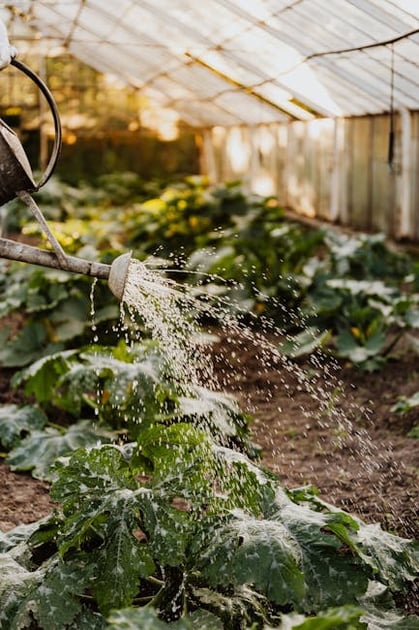
- Consistent Watering: Raised beds, especially those filled with a fast-draining mix, tend to dry out more quickly than in-ground gardens. Check your soil moisture daily, especially during hot, dry spells. Water deeply and consistently. Drip irrigation or soaker hoses are excellent, water-efficient options that deliver moisture directly to the root zone.
- Regular Feeding: With dense planting, your plants will consume nutrients rapidly. Supplement your initial rich soil with regular feedings of compost tea, liquid organic fertilizer, or granular slow-release organic fertilizer throughout the growing season. Top-dressing with an inch of fresh compost every few months is also highly beneficial.
- Weeding & Pest Management: Weeding is significantly reduced in a raised bed with a quality soil mix. Any weeds that appear are easy to spot and pull by hand. For pests, regular inspection allows you to catch problems early. Utilize organic pest control methods like hand-picking larger pests, applying insecticidal soap for aphids, or introducing beneficial insects.
- Pruning & Support: Keep an eye on taller plants like tomatoes and peppers. Prune suckers from tomatoes to direct energy into fruit production, and ensure adequate staking or caging to support heavy yields. Trellis vining plants as they grow.
- Timely Harvesting: Don't wait! Regular harvesting encourages plants to produce more. Pick leafy greens, beans, and other vegetables as soon as they reach an edible size. This also prevents plants from going to seed prematurely, extending your harvest window.
By staying on top of these simple tasks, your 4x4 garden plan will reward you with a continuous supply of fresh, delicious produce.
Starting a 4x4 garden plan is an incredibly rewarding endeavor, proving that you don't need vast amounts of space to cultivate a thriving, productive garden. From selecting the perfect spot and building your bed to intelligently designing your planting layout and providing consistent care, every step is an investment in fresh, homegrown goodness. Embrace the principles of square foot gardening, explore companion planting, and utilize vertical space to transform your compact area into a surprisingly abundant food source. With these easy steps, you're well on your way to enjoying the immense satisfaction and delicious harvests from your very own 4x4 garden. Happy growing!
